

Description
The opera DER ROSENKAVALIER leads into the bedroom of a princess and straight into the intimate conversation with her youthful lover. Inspired by the ancient tragedy ELEKTRA, Richard Strauss and the poet Hugo von Hofmannsthal envisioned something entirely new: a comedy for music. Cheerful, light, and elegant, conciliatory yet profound in its emotions and thoughts – and, of course, Austrian in its burlesque wit while at the same time touched by melancholy reflection. Thus the authors created the famous figure of the Field Marshal’s wife, Princess Werdenberg who bears the first name Marie-Thérèse for good reason and entrusted her with the leading role in the opera DER ROSENKAVALIER, premiered in 1911.
The Marschallin alone knows that everything is subject to time and transience. “Time, it is a strange thing. When one simply lives along, it is nothing at all. But then, all of a sudden, one feels nothing but it. It is around us, and it is within us as well.” Neither Octavian, the lover who will soon belong to the past, can follow these thoughts, nor the uncouth cousin Baron Ochs, whose unscrupulous attempt to arrange a marriage with the young Sophie the Marschallin deftly thwarts through intrigue. She appoints Octavian as the protagonist of this scheme: not only does he deliver the ceremonial marriage proposal to Sophie as the Rosenkavalier, but disguised as the maid Mariandel he also thoroughly turns the Baron’s head. Since Strauss wrote the role of Octavian as a “trouser role” for mezzo-soprano, we witness a woman playing a man who plays a woman.
Strauss and Hofmannsthal explicitly draw on LE NOZZE DI FIGARO and, at the beginning of the twentieth century, unfold an impressive panorama of life and the human soul set in an imagined eighteenth century, using stylized language and enchanting sound effects from Strauss’s masterful modernism. Even the waltzes fit perfectly, although they do not actually belong to the period depicted. Thus the layers of time shift within this almost enchanted opera, which tells us that although nothing can be held on to forever, perhaps everything can ultimately be guided toward a happy resolution.
The musical direction of the grand opening production at the opera house will be taken by General Music Director Andrés Orozco-Estrada. The production marks the Cologne debut of the prominent French director Marie-Ève Signeyrole, who stages both films and operas internationally and offers a fresh perspective to Strauss’s and Hofmannsthal’s celebrated masterpiece.
participants
Musikalische Leitung
Inszenierung & Videokonzept
Bühne
Kostüme
Mitarbeit Kostüm
Co-Videodesign / Künstlerische Mitarbeit Video
Licht
Chorleitung
Dramaturgie
cast
Die Feldmarschallin Fürstin Werdenberg
- Magdalena Hinterdobler
- Ann-Beth Solvang
Der Baron Ochs auf Lerchenau
- Patrick Zielke
- Martin Summer
Octavian
Herr von Faninal
Sophie
Jungfer Marianne Leitmetzerin
Valzacchi
Annina
Ein Polizeikommissar / Notar
Der Haushofmeister der Marschallin / Ein Wirt
Der Haushofmeister bei Faninal
Ein Sänger
Eine Modistin
Drei adelige Waisen
- Kristi Anna Isene
- Martina Sigl
- Jing Yang
Ein Tierhändler
- Armando Elizondo
Lakaien der Marschallin / Vier Kellner
- Artjom Korotkov
- Won Min Lee
- Sinhu Kim
- Josua Guss
Ein Hausknecht
- Nicolas Boulanger
Statisterie
Chor
Kinderchor
Orchester
Please refer to the respective event listings for the current cast.
Events and Tickets
-
Richard Strauss06:00 PM to OpernhausEinführung 30 Minuten vor VorstellungsbeginnDer RosenkavaliertoKomödie für MusikDichtung von Hugo von HofmannsthalIn deutscher Sprache mit deutschen und englischen Übertiteln
cast
-
Die Feldmarschallin Fürstin Werdenberg
-
Der Baron Ochs auf Lerchenau
- Martin Summer
-
Octavian
-
Herr von Faninal
-
Sophie
-
Jungfer Marianne Leitmetzerin
-
Valzacchi
-
Annina
-
Ein Polizeikommissar / Notar
-
Der Haushofmeister der Marschallin / Ein Wirt
-
Der Haushofmeister bei Faninal
-
Ein Sänger
-
Eine Modistin
-
Drei adelige Waisen
- Kristi Anna Isene
- Martina Sigl
- Jing Yang
-
Ein Tierhändler
- Armando Elizondo
-
Lakaien der Marschallin / Vier Kellner
- Artjom Korotkov
- Won Min Lee
- Sinhu Kim
- Josua Guss
-
Ein Hausknecht
- Nicolas Boulanger
-
Statisterie
-
Chor
-
Kinderchor
-
Orchester
-
-
Richard Strauss04:00 PM to OpernhausEinführung 30 Minuten vor VorstellungsbeginnDer RosenkavaliertoKomödie für MusikDichtung von Hugo von HofmannsthalIn deutscher Sprache mit deutschen und englischen Übertiteln
cast
-
Die Feldmarschallin Fürstin Werdenberg
-
Der Baron Ochs auf Lerchenau
-
Octavian
-
Herr von Faninal
-
Sophie
-
Jungfer Marianne Leitmetzerin
-
Valzacchi
-
Annina
-
Ein Polizeikommissar / Notar
-
Der Haushofmeister der Marschallin / Ein Wirt
-
Der Haushofmeister bei Faninal
-
Ein Sänger
-
Eine Modistin
-
Drei adelige Waisen
- Kristi Anna Isene
- Martina Sigl
- Jing Yang
-
Ein Tierhändler
- Armando Elizondo
-
Lakaien der Marschallin / Vier Kellner
- Artjom Korotkov
- Won Min Lee
- Sinhu Kim
- Josua Guss
-
Ein Hausknecht
- Nicolas Boulanger
-
Statisterie
-
Chor
-
Kinderchor
-
Orchester
-
-
Richard Strauss06:00 PM to OpernhausEinführung 30 Minuten vor VorstellungsbeginnDer RosenkavaliertoKomödie für MusikDichtung von Hugo von HofmannsthalIn deutscher Sprache mit deutschen und englischen Übertiteln
cast
-
Die Feldmarschallin Fürstin Werdenberg
-
Der Baron Ochs auf Lerchenau
-
Octavian
-
Herr von Faninal
-
Sophie
-
Jungfer Marianne Leitmetzerin
-
Valzacchi
-
Annina
-
Ein Polizeikommissar / Notar
-
Der Haushofmeister der Marschallin / Ein Wirt
-
Der Haushofmeister bei Faninal
-
Ein Sänger
-
Eine Modistin
-
Drei adelige Waisen
- Kristi Anna Isene
- Martina Sigl
- Jing Yang
-
Ein Tierhändler
- Armando Elizondo
-
Lakaien der Marschallin / Vier Kellner
- Artjom Korotkov
- Won Min Lee
- Sinhu Kim
- Josua Guss
-
Ein Hausknecht
- Nicolas Boulanger
-
Statisterie
-
Chor
-
Kinderchor
-
Orchester
-
-
Richard Strauss06:00 PM to OpernhausEinführung 30 Minuten vor VorstellungsbeginnDer RosenkavaliertoKomödie für MusikDichtung von Hugo von HofmannsthalIn deutscher Sprache mit deutschen und englischen Übertiteln
cast
-
Die Feldmarschallin Fürstin Werdenberg
-
Der Baron Ochs auf Lerchenau
-
Octavian
-
Herr von Faninal
-
Sophie
-
Jungfer Marianne Leitmetzerin
-
Valzacchi
-
Annina
-
Ein Polizeikommissar / Notar
-
Der Haushofmeister der Marschallin / Ein Wirt
-
Der Haushofmeister bei Faninal
-
Ein Sänger
-
Eine Modistin
-
Drei adelige Waisen
- Kristi Anna Isene
- Martina Sigl
- Jing Yang
-
Ein Tierhändler
- Armando Elizondo
-
Lakaien der Marschallin / Vier Kellner
- Artjom Korotkov
- Won Min Lee
- Sinhu Kim
- Josua Guss
-
Ein Hausknecht
- Nicolas Boulanger
-
Statisterie
-
Chor
-
Kinderchor
-
Orchester
-
-
Richard Strauss06:00 PM to OpernhausEinführung 30 Minuten vor VorstellungsbeginnDer RosenkavaliertoKomödie für MusikDichtung von Hugo von HofmannsthalIn deutscher Sprache mit deutschen und englischen Übertiteln
cast
-
Die Feldmarschallin Fürstin Werdenberg
-
Der Baron Ochs auf Lerchenau
- Martin Summer
-
Octavian
-
Herr von Faninal
-
Sophie
-
Jungfer Marianne Leitmetzerin
-
Valzacchi
-
Annina
-
Ein Polizeikommissar / Notar
-
Der Haushofmeister der Marschallin / Ein Wirt
-
Der Haushofmeister bei Faninal
-
Ein Sänger
-
Eine Modistin
-
Drei adelige Waisen
- Kristi Anna Isene
- Martina Sigl
- Jing Yang
-
Ein Tierhändler
- Armando Elizondo
-
Lakaien der Marschallin / Vier Kellner
- Artjom Korotkov
- Won Min Lee
- Sinhu Kim
- Josua Guss
-
Ein Hausknecht
- Nicolas Boulanger
-
Statisterie
-
Chor
-
Kinderchor
-
Orchester
-
-
Richard Strauss06:00 PM to OpernhausEinführung 30 Minuten vor VorstellungsbeginnDer RosenkavaliertoKomödie für MusikDichtung von Hugo von HofmannsthalIn deutscher Sprache mit deutschen und englischen Übertiteln
cast
-
Die Feldmarschallin Fürstin Werdenberg
- Ann-Beth Solvang
-
Der Baron Ochs auf Lerchenau
-
Octavian
-
Herr von Faninal
-
Sophie
-
Jungfer Marianne Leitmetzerin
-
Valzacchi
-
Annina
-
Ein Polizeikommissar / Notar
-
Der Haushofmeister der Marschallin / Ein Wirt
-
Der Haushofmeister bei Faninal
-
Ein Sänger
-
Eine Modistin
-
Drei adelige Waisen
- Kristi Anna Isene
- Martina Sigl
- Jing Yang
-
Ein Tierhändler
- Armando Elizondo
-
Lakaien der Marschallin / Vier Kellner
- Artjom Korotkov
- Won Min Lee
- Sinhu Kim
- Josua Guss
-
Ein Hausknecht
- Nicolas Boulanger
-
Statisterie
-
Chor
-
Kinderchor
-
Orchester
-
-
Richard Strauss06:00 PM to OpernhausEinführung 30 Minuten vor VorstellungsbeginnDer RosenkavaliertoKomödie für MusikDichtung von Hugo von HofmannsthalIn deutscher Sprache mit deutschen und englischen Übertiteln
cast
-
Die Feldmarschallin Fürstin Werdenberg
- Ann-Beth Solvang
-
Der Baron Ochs auf Lerchenau
-
Octavian
-
Herr von Faninal
-
Sophie
-
Jungfer Marianne Leitmetzerin
-
Valzacchi
-
Annina
-
Ein Polizeikommissar / Notar
-
Der Haushofmeister der Marschallin / Ein Wirt
-
Der Haushofmeister bei Faninal
-
Ein Sänger
-
Eine Modistin
-
Drei adelige Waisen
- Kristi Anna Isene
- Martina Sigl
- Jing Yang
-
Ein Tierhändler
- Armando Elizondo
-
Lakaien der Marschallin / Vier Kellner
- Artjom Korotkov
- Won Min Lee
- Sinhu Kim
- Josua Guss
-
Ein Hausknecht
- Nicolas Boulanger
-
Statisterie
-
Chor
-
Kinderchor
-
Orchester
-
-
Richard Strauss06:00 PM to OpernhausEinführung 30 Minuten vor VorstellungsbeginnDer RosenkavaliertoKomödie für MusikDichtung von Hugo von HofmannsthalIn deutscher Sprache mit deutschen und englischen Übertiteln
cast
-
Die Feldmarschallin Fürstin Werdenberg
-
Der Baron Ochs auf Lerchenau
-
Octavian
-
Herr von Faninal
-
Sophie
-
Jungfer Marianne Leitmetzerin
-
Valzacchi
-
Annina
-
Ein Polizeikommissar / Notar
-
Der Haushofmeister der Marschallin / Ein Wirt
-
Der Haushofmeister bei Faninal
-
Ein Sänger
-
Eine Modistin
-
Drei adelige Waisen
- Kristi Anna Isene
- Martina Sigl
- Jing Yang
-
Ein Tierhändler
- Armando Elizondo
-
Lakaien der Marschallin / Vier Kellner
- Artjom Korotkov
- Won Min Lee
- Sinhu Kim
- Josua Guss
-
Ein Hausknecht
- Nicolas Boulanger
-
Statisterie
-
Chor
-
Kinderchor
-
Orchester
-
Past Events
-
Richard Strauss04:00 PM to OpernhausPremiereEinführung 30 Minuten vor Vorstellungsbeginn
sold out
Der RosenkavaliertoKomödie für MusikDichtung von Hugo von HofmannsthalIn deutscher Sprache mit deutschen und englischen Übertitelncast
-
Die Feldmarschallin Fürstin Werdenberg
-
Der Baron Ochs auf Lerchenau
-
Octavian
-
Herr von Faninal
-
Sophie
-
Jungfer Marianne Leitmetzerin
-
Valzacchi
-
Annina
-
Ein Polizeikommissar / Notar
-
Der Haushofmeister der Marschallin / Ein Wirt
-
Der Haushofmeister bei Faninal
-
Ein Sänger
-
Eine Modistin
-
Drei adelige Waisen
- Kristi Anna Isene
- Martina Sigl
- Jing Yang
-
Ein Tierhändler
- Armando Elizondo
-
Lakaien der Marschallin / Vier Kellner
- Artjom Korotkov
- Won Min Lee
- Sinhu Kim
- Josua Guss
-
Ein Hausknecht
- Nicolas Boulanger
-
Statisterie
-
Chor
-
Kinderchor
-
Orchester
-
-
Richard Strauss06:00 PM to OpernhausEinführung 30 Minuten vor VorstellungsbeginnDer RosenkavaliertoKomödie für MusikDichtung von Hugo von HofmannsthalIn deutscher Sprache mit deutschen und englischen Übertiteln
cast
-
Die Feldmarschallin Fürstin Werdenberg
-
Der Baron Ochs auf Lerchenau
- Martin Summer
-
Octavian
-
Herr von Faninal
-
Sophie
-
Jungfer Marianne Leitmetzerin
-
Valzacchi
-
Annina
-
Ein Polizeikommissar / Notar
-
Der Haushofmeister der Marschallin / Ein Wirt
-
Der Haushofmeister bei Faninal
-
Ein Sänger
-
Eine Modistin
-
Drei adelige Waisen
- Kristi Anna Isene
- Martina Sigl
- Jing Yang
-
Ein Tierhändler
- Armando Elizondo
-
Lakaien der Marschallin / Vier Kellner
- Artjom Korotkov
- Won Min Lee
- Sinhu Kim
- Josua Guss
-
Ein Hausknecht
- Nicolas Boulanger
-
Statisterie
-
Chor
-
Kinderchor
-
Orchester
-
Trailer
To play this content, a connection to an external service will be established. Personal data (e.g. your IP address) will be transmitted to the respective provider.
Impressions
-
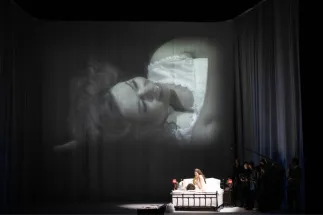 The Marschallin, Princess Werdenberg (Magdalena Hinterdobler), Octavian (Bianca Andrew); the Marschallin’s Major-Domo / an innkeeper (Paweł Brożek), the Cologne Opera’s extras, a milliner (Alina König Rannenberg). © Matthias Jung
 -
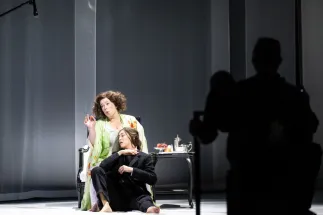 The Marschallin, Princess Werdenberg (Magdalena Hinterdobler) and Octavian (Bianca Andrew) © Matthias Jung
 -
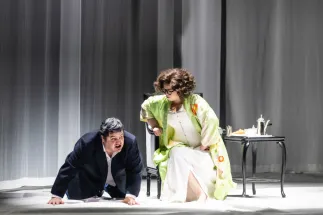 Baron Ochs of Lerchenau (Patrick Zielke) and The Marschallin, Princess Werdenberg (Magdalena Hinterdobler) © Matthias Jung
 -
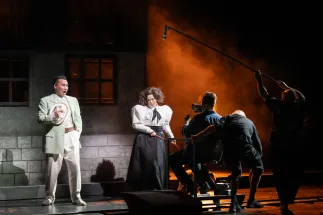 A singer (Young Woo Kim), the Marschallin, Princess Werdenberg (Magdalena Hinterdobler), and members of the Cologne Opera’s extra cast © Matthias Jung
 -
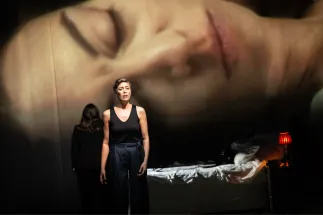 The Marschallin, Princess Werdenberg (Magdalena Hinterdobler) and Octavian (Bianca Andrew) © Matthias Jung
 -
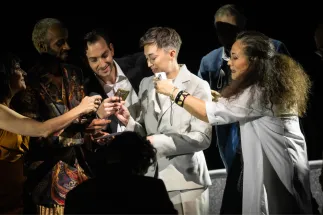 Cologne Opera’s extras, Octavian (Bianca Andrew) and Annina (Kammersängerin Dalia Schaechter) © Matthias Jung
 -
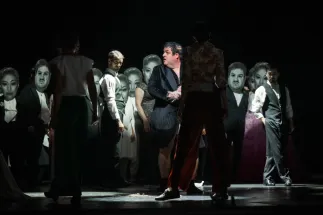 Baron Ochs of Lerchenau (Patrick Zielke) and Cologne Opera’s extras © Matthias Jung
 -
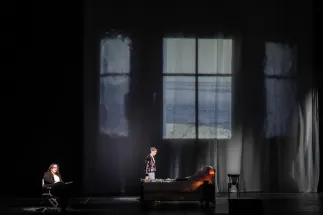 The Marschallin, Princess Werdenberg (Magdalena Hinterdobler) and Octavian (Bianca Andrew) © Matthias Jung
 -
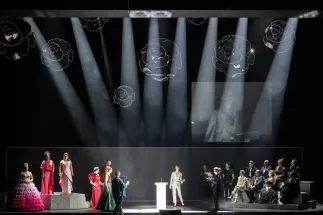 Three noble orphans (Kristi Anna Isene, Jing Yang and Martina Sigl), Marianne Leitmetzerin (Claudia Rohrbach), a police commissioner/notary (Lucas Singer), Sophie (Giulia Montanari), Octavian (Bianca Andrew), Faninal’s steward (Wesley Harrison), a singer (Dmitry Ivanchey) and the Cologne Opera Chorus. © Matthias Jung
 -
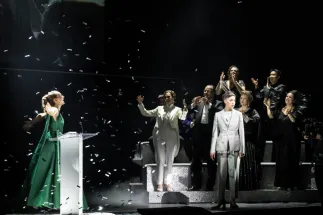 Sophie (Giulia Montanari), Octavian (Bianca Andrew) and the Cologne Opera Chorus © Matthias Jung
 -
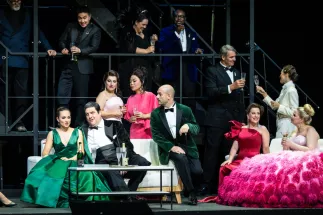 Sophie (Giulia Montanari), Baron Ochs of Lerchenau (Patrick Zielke), Herr von Faninal (Christian Miedl), Marianne Leitmetzerin (Claudia Rohrbach), the three noble orphans (Kristi Anna Isene, Jing Yang and Martina Sigl) and the Cologne Opera Chorus © Matthias Jung
 -
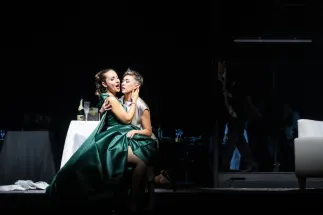 Sophie (Giulia Montanari) and Octavian (Bianca Andrew) © Matthias Jung
 -
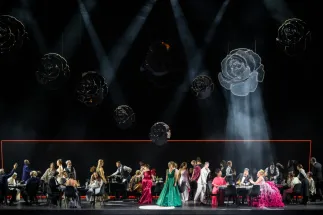 A singer (Dmitry Ivanchey), Valzacchi (Martin Koch), Annina (KS Dalia Schaechter), a police commissioner/notary (Lucas Singer), Sophie (Giulia Montanari), Octavian (Bianca Andrew), Marianne Leitmetzerin (Claudia Rohrbach), the three noble orphans (Kristi Anna Isene, Jing Yang and Martina Sigl), Baron Ochs of Lerchenau (Patrick Zielke) and the Cologne Opera Chorus © Matthias Jung


Sensitive Content
And it’s the ‘how’ that makes all the difference.


